
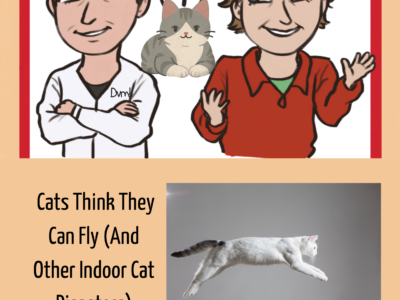
In this episode of The Marty and Laura Show, host Laura Reeves and veterinarian Dr. Marty Greer investigate the mysterious injuries that happen to indoor house cats when owners leave the house. From cats jumping off stair railings to cord-chewing incidents, feline curiosity can lead to major household hazards. Dr. Greer breaks down the real-world trauma indoor cats face, including broken legs, facial injuries, linear foreign bodies and fatal household toxins like Tylenol and Easter lilies. Discover practical cat-proofing strategies, emergency poison control protocols and expert veterinary advice to keep your adventurous cat safe indoors.
- The Mystery of Indoor Cat Injuries How cat owners come home to unexplained limpings, draining wounds, or knocked-over furniture, and how to act like a detective to figure out what happened.
- “Cats Think They Can Fly” and High-Rise Trauma Dr. Greer shares the story of her Bengal cat launching at a wall hanging and falling down the stairs. Plus, an explanation of high-rise syndrome, facial trauma, and traumatic cleft palates in falling cats.
- Cat Fights, Dog Conflicts and Abscesses Why bite wounds between house pets easily seal over, trapping mouth bacteria under the skin and causing delayed abscesses on the face, neck, or tail.
- The Danger of Strings, Needles and Foreign Bodies Why ribbon, yarn, string, and thread wrap around the base of a cat’s tongue or bunch in the intestines, creating linear foreign body emergencies that require immediate surgery.
- Household Toxins: Tylenol, Lilies and Human Meds Critical warnings on why Tylenol causes deadly Heinz body anemia in cats, why Easter lilies and peace lilies are toxic, and how human medications left on counters put pets at risk.
- Cord Chewers and Electrocution Hazards The dangers of cats (especially Siamese cats and kittens) chewing electrical cords, and how to use corrugated plastic cord covers to prevent electrocution.
- Essential Cat-Proofing Strategies How to anchor Christmas trees, plant stands, and cat trees to ceiling hooks using wire. Plus, tips on childproof cabinet locks, bare counters, and safe containment for kittens.
- Emergency Poison Control Protocols When and how to call the ASPCA Animal Poison Control Center or the Pet Poison Helpline, and why contacting a toxicologist before driving to the ER saves critical time.
Important Resources & Emergency Contacts
- ASPCA Animal Poison Control Center: 24/7 toxicological guidance for pet owners.
- Pet Poison Helpline: 24/7 emergency pet poison consultation.
- Safe Indoor Greenery: Spider plants, cat grass, and catnip (avoid Easter lilies, peace lilies, and philodendrons).
Leave a Reply